Create great software
AI has made software development more accessible than ever before, but vibe coding and agent harnesses struggle to do more than prototype because they are missing the ingredients for success.
Boxcar gives you and your AI agents the same secrets experts use to solve the hardest problems.
Not an app builder. Not an IDE. Not low-code.
Whether you are building something new or modernizing what you already run, the job is the same: empower employees, delight customers, act on your data, and prove the value. Here are how some of Boxcar's features compare to the competition.
Boxcar features compared
Capabilities that decide the build| Capability | Boxcar | AI App BuildersLovable, Replit, Base44 | AI Coding IDEsCursor, Windsurf, Copilot | 4GL & Low-CodePower Platform, ServiceNow, Retool | PDLC ToolsAllstacks, Jellyfish, LinearB |
|---|---|---|---|---|---|
| Value-driven softwarewhy the thing gets built at all | |||||
| The AI writes the product, not the scaffolding | Full | Partial | Partial | Partial | Not offered |
| Token-minimizing composition | Full | Not offered | Not offered | Not offered | Not offered |
| Value roadmap with scheduled hypothesis tests | Full | Not offered | Not offered | Partial | Partial |
| User journey and persona modeling | Full | Not offered | Not offered | Not offered | Not offered |
| Voice of the customer and live telemetry | Full | Not offered | Not offered | Partial | Not offered |
| Hypothesis-based synthetic data | Full | Not offered | Not offered | Not offered | Not offered |
| Opinionated stack, swappable parts | Full | Partial | Not offered | Partial | Not offered |
| Bring your own agent harness or private model | Full | Not offered | Partial | Partial | Not offered |
| Full code ownership and export without lock-in | Full | Partial | Full | Not offered | Not offered |
| Open source core | Full | Not offered | Partial | Not offered | Not offered |
| Brownfield import and conversion | Full | Partial | Full | Partial | Partial |
| Offline-first for intermittent connectivity | Full | Not offered | Partial | Partial | Not offered |
| Native mobile and desktop targets | Full | Partial | Partial | Partial | Not offered |
| Migration-based updates that still build later | Full | Not offered | Partial | Partial | Not offered |
| Table stakesthe floor, not the point | |||||
| Agent control plane and governed tools | Full | Not offered | Partial | Full | Partial |
| Regulations compiled into auditable rules | Full | Not offered | Not offered | Partial | Not offered |
| Row and column authorization by default | Full | Partial | Partial | Full | Partial |
| Self-host, private cloud or air-gapped | Full | Not offered | Partial | Partial | Not offered |
| Full decision tracking and audit | Full | Partial | Partial | Full | Full |
| SSO, SCIM and directory sync | Full | Full | Full | Full | Full |
Using AI to reimagine work, not automate yesterday's.
We kept meeting teams with real talent who could not make an impact. The missing piece was never effort; it was the approach. Bring strategy, design, engineering and data, governance and accountability, and quality to the same table, in the same loop, and the work starts to land.
- Frame the valueStrategy
- Design the experienceDesign
- Set the foundationsEngineering & Data
- Govern the decisionsGovernance
- Find the root causeQuality
- Library & Standards
- Harness
- Living documents
Pressure-tested where mistake costs go beyond dollars.
Trust, not capability, was the bottleneck.
Autonomous launch operations, 22 minutes from the nearest human. The hard part was never whether the AI could fly it, but whether ground control could trust it to. The trust machinery we built to close that gap became the product, flying terrestrial launches this year, not Mars someday.
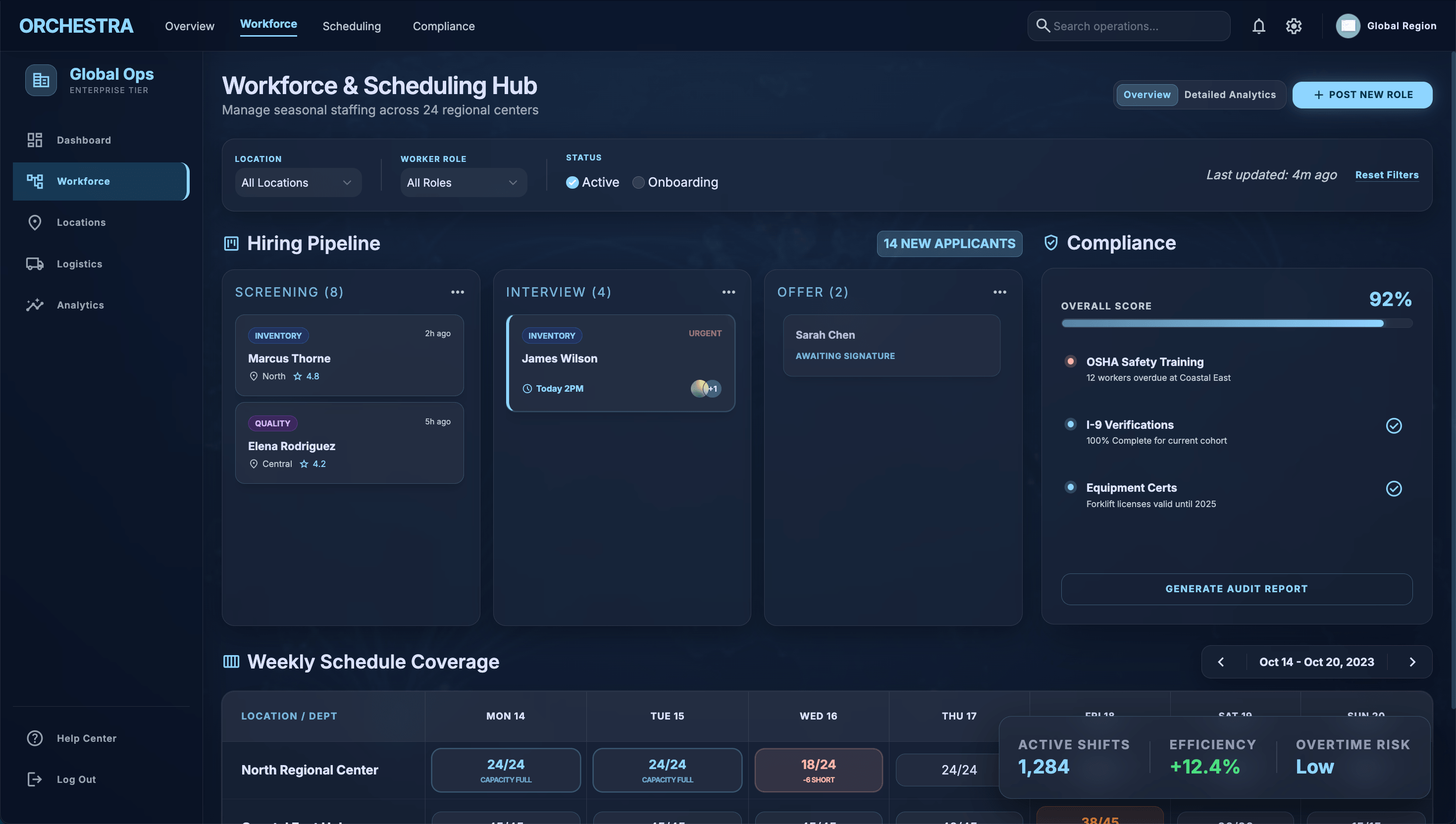 Centralized Intelligence$500K in redundant software licensing found and cut in week one · waste gone before the real build even startedFull spotlight →
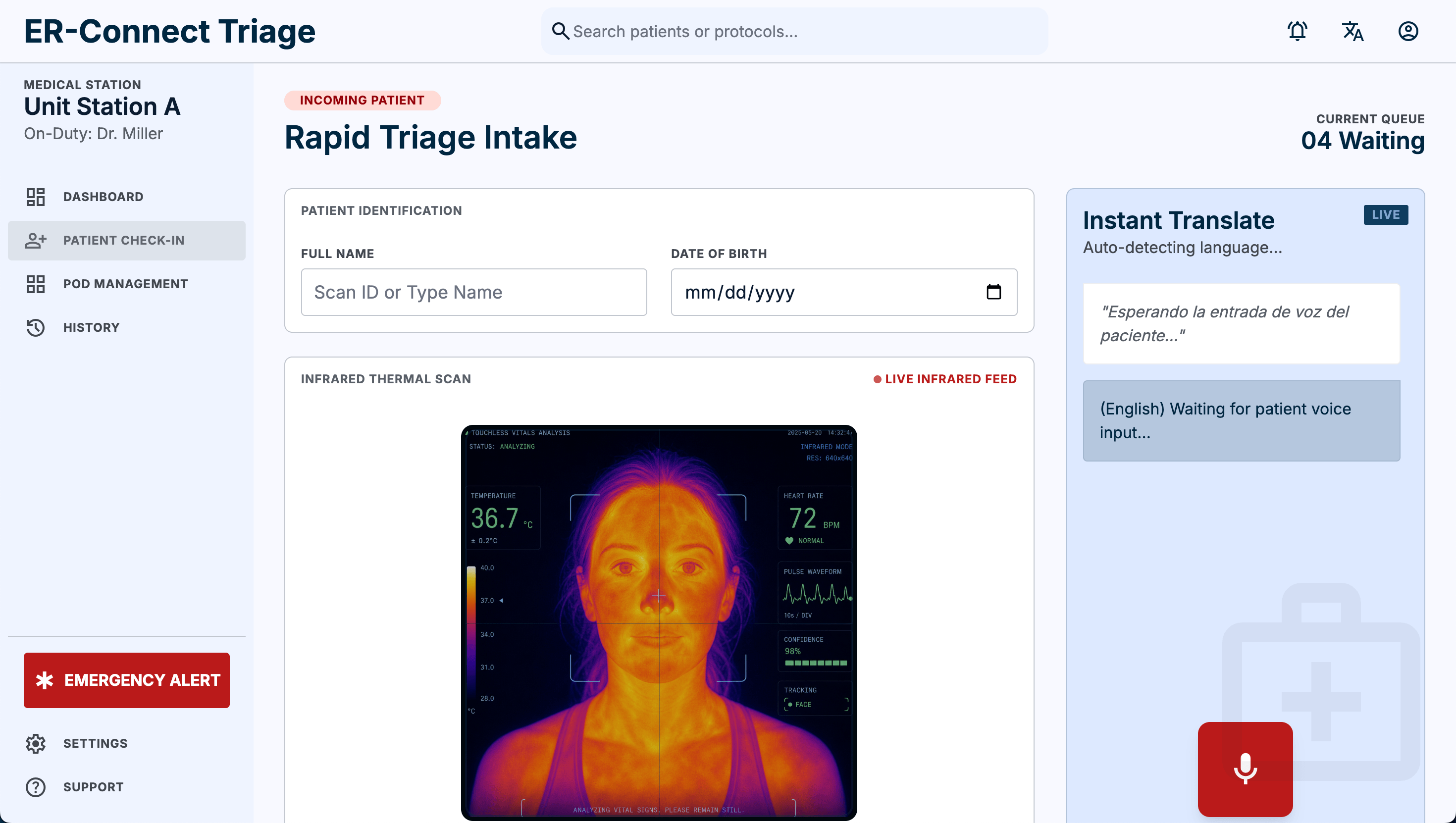 Clinical-gradetriage by non-clinical staff · PHI-safe by design, where every outcome sharpens the next callFull spotlight →
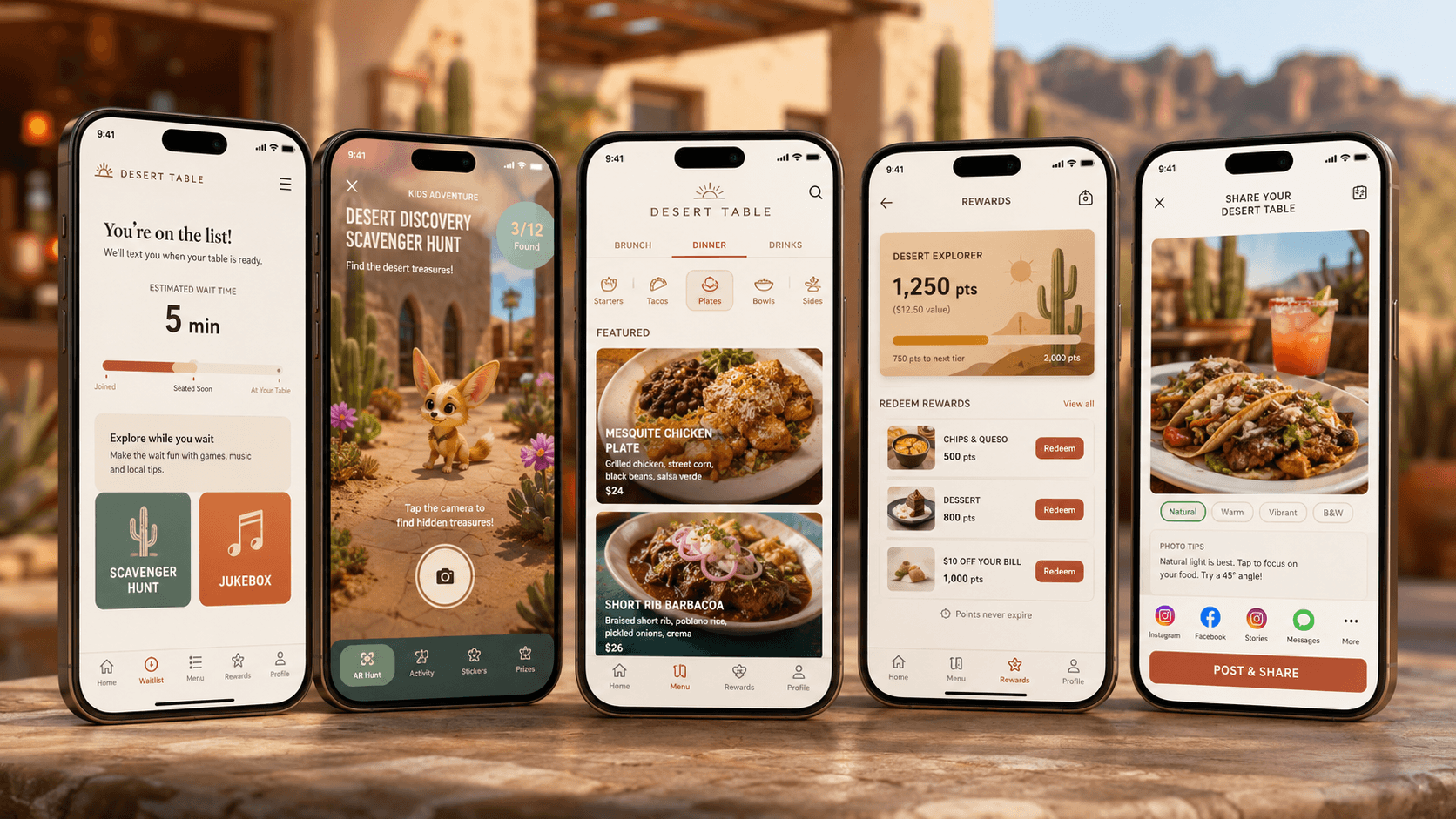 Reclaim CXa large QSR chain won its customers back from the delivery aggregators · AI in the menu, the dining room, and the loyalty programFull spotlight →
Different industries, same shape: the ask pointed one way, the value was somewhere else, and finding it was the work. Your version is under Perspectives in the footer. Start where it hurts.
The platform governs your AI. It was never going to tax it.
While we are in early access, our product is free to existing and approved pilot customers. The core is Apache 2 open source licensed, and our Enterprise Plane provides the sophisticated access controls, zero technical debt engine, support, and IP indemnity designed for everyone from Fortune 500s to SMBs.
And because the platform is only half the answer, we teach the other half. Team training in Agentive Software Design is available today, and a formal Boxcar certification is coming. Certified people and practices are first in line when early-access work gets routed.
Want in on early access? Let's chat → · Curious about training or certification? Get on the list →
Bring us the ask. We will find the answer worth building.
Start with one real workflow, or the problem hiding behind it. We will challenge the ask, scope a five-week proof, and measure the value in your numbers. Expensive? Sure. But you will be successful, and quickly.